
"Adriatic coast"
5400 article(s) found

Ecuador coffee estate producing area flavor taste characteristics boutique coffee beans introduction
The country is divided into three parts: the western coastal area, the central mountainous area and the eastern area. Map of Ecuador Map of Ecuador Western coast: including coastal plains and foothills, east high west low, generally below 200 meters above sea level, there are some hills and low mountains 600~700 meters above sea level. Tropical rain forest climate, the southernmost start to transition to a savanna climate. Average annual precipitation from north to south 3

Introduction to the characteristics of Ecuadorian Coffee Flavor Manor with well-balanced taste
West coast: including coastal plains and foothills, high in the east and low in the west, generally below 200 meters above sea level, with some hills and low mountains at an altitude of 600 to 700 meters. Belongs to the tropical rain forest climate, the southernmost end begins to transition to the savanna climate. The average annual precipitation decreases from more than 3000 mm to about 500mm from north to south. Central Mountains: the Andes enter Ecuador from Colombia

Which country is more famous for coffee?
Costa Rica (Central America) Costa Rica's high latitudes produce coffee beans that are famous in the world, rich, mild in taste, but extremely acidic. The coffee beans here have been carefully processed, and because of this, there is high quality coffee. The famous coffee is produced in the Central Plateau, where the soil consists of several successive layers of fire.

Bright style Costa Rican Coffee Flavor description roasting degree characteristics of boutique Coffee
Costa Rica is located in the Central American isthmus, belonging to North America, 10 north latitude, 84 west longitude. It is bordered by the Caribbean Sea to the east and the North Pacific Ocean to the west, with a coastline of 1290 km (212km on the east coast and 1016 km on the west coast). Costa Rica borders Nicaragua in the north (309 km long border) and Panama (639 km long border) south-southeast. Total

Introduction to the characteristics and Origin of Antigua Coffee beans in Guatemala
Guatemala is located in the center of North and South America, and its geographical location occupies an important position in Central America. Guatemala covers an area of about 108899 square kilometers. The land features can be divided into plateau volcanoes, lowland tropical forests, volcanic sandy shore plains along the Pacific coast, and virgin lands along the Caribbean Sea. The SierraMadre Mountains of Central America span east and west of Guatemala, covering an area of

The characteristics of Hawaiian coffee beans and the way Hawaiian kau coffee is processed.
Follow Cafe (Wechat official account vdailycom) found that the good Cafe opened a small shop of its own on the island of Kona Kona on the southwest coast of Hawaii, which produces one of the most famous and traditional Hawaiian coffee ─ Hawaiian Kona Hawaiian Kona. This kind of coffee beans grows only on the island of Kona. It is also the only coffee produced in the United States. But the volcanic rock and soil on the coast is pregnant.

Definition of roasting degree and taste of coffee
In the United States, the baking degree has long been defined by Cinnamon (shallow roasting), City (shallow roasting), Fully City (deep roasting) and Dark roast (heavy deep roasting, including Italian and French). However, the American preference for coffee flavor has always been strong in the west and light in the east, so the shallow roasting on the west coast may be as deep as that on the east coast, and vice versa.

Ecuadorian Starbucks selected Coffee Story Information is Ecuadorian coffee expensive?
For more information on coffee beans, please follow the coffee workshop (Wechat official account cafe_style) Ecuador (Spanish: Repblica del Ecuador) is a country located in northwestern South America, bordering Colombia in the north, Peru in the south, the Pacific Ocean in the west, and Chile as countries in South America that are not adjacent to Brazil.

Coffee technology definition of various roasting degrees and taste of coffee
In the United States, the baking degree has long been defined by Cinnamon (shallow roasting), City (shallow roasting), Fully City (deep roasting) and Dark roast (heavy deep roasting, including Italian and French). However, the American preference for coffee flavor has always been strong in the west and light in the east, so the shallow roasting on the west coast may have reached the deep roasting level on the east coast, on the contrary.
Definition of roasting degree and taste of roasted coffee
In the United States, the baking degree has long been defined by Cinnamon (shallow roasting), City (shallow roasting), Fully City (deep roasting) and Dark roast (heavy deep roasting, including Italian and French). However, the American preference for coffee flavor has always been strong in the west and light in the east, so the shallow roasting on the west coast may be as deep as that on the east coast, and vice versa.

Introduction to the flavor description and grinding scale of Costa Rican coffee beans the method of regional treatment of varieties
Costa Rican coffee bean flavor description grinding scale variety treatment method the taste of the producing area is 9-1600 meters above sea level, 80% of which is located at 1000-1400 meters. This kind of coffee is famous for its excellent quality and rich and balanced taste. Even the coffee from Laminita Farm in the region is thought to have a flavor similar to Blue Mountain coffee. Costa Rican coffee is mostly washed with water.
Introduction of major coffee producing areas in the world
Coffee comes from coffee beans, which are harvested and processed from the fruit of trees. Coffee trees grow at the center of the equator, between latitudes of 25 degrees south and north, and are called the homes of tropical or subtropical countries called coffee belts. At present, there are about 60 coffee-producing countries. Coffee is produced in South America, Central America, the West Indies, Asia, Africa, Arabia, the South Pacific and
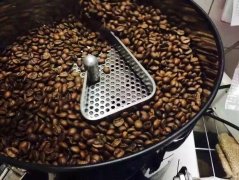
Introduction of major coffee producing areas in the world
Coffee comes from coffee beans, which are harvested and processed from the fruit of trees. Coffee trees grow at the center of the equator, between latitudes of 25 degrees south and north, and are called the homes of tropical or subtropical countries called coffee belts. At present, there are about 60 coffee-producing countries. Coffee is produced in South America, Central America, the West Indies, Asia, Africa, Arabia, the South Pacific and

Definition of basic roasting degree and taste of boutique coffee
In the United States, the baking degree has long been defined by Cinnamon (shallow roasting), City (shallow roasting), Fully City (deep roasting) and Dark roast (heavy deep roasting, including Italian and French). However, the American preference for coffee flavor has always been strong in the west and light in the east, so the shallow roasting on the west coast may be as deep as that on the east coast, and vice versa.

Fine raw bean growing area detailed introduction of the coffee producing area of Diamond Hill Manor in Costa Rica
Costa Rica Diamond Hill Manor Coffee producing area Costa Rica is located in the Central American isthmus, belonging to North America, 10 north latitude and 84 west longitude. It is bordered by the Caribbean Sea to the east and the North Pacific Ocean to the west, with a coastline of 1290 km (212km on the east coast and 1016 km on the west coast). Costa Rica borders Nicaragua in the north (border length 3.

The main coffee producing areas in the world introduce the types of fine coffee beans.
Coffee comes from coffee beans, which are harvested and processed from the fruit of trees. Coffee trees grow at the center of the equator, between latitudes of 25 degrees south and north, and are called the homes of tropical or subtropical countries called coffee belts. At present, there are about 60 coffee-producing countries. Coffee is produced in South America, Central America, the West Indies, Asia, Africa, Arabia, the South Pacific and

Coffee bean roasting knowledge definition of various roasting degrees and taste problems
In the United States, the baking degree has long been defined by Cinnamon (shallow roasting), City (shallow roasting), Fully City (deep roasting) and Dark roast (heavy deep roasting, including Italian and French). However, the American preference for coffee flavor has always been strong in the west and light in the east, so the shallow roasting on the west coast may be as deep as that on the east coast, and vice versa.

Definition of various roasting degrees and common sense of taste of coffee
In the United States, the baking degree has long been defined by Cinnamon (shallow roasting), City (shallow roasting), Fully City (deep roasting) and Dark roast (heavy deep roasting, including Italian and French). However, the American preference for coffee flavor has always been strong in the west and light in the east, so the shallow roasting on the west coast may be as deep as that on the east coast, and vice versa.
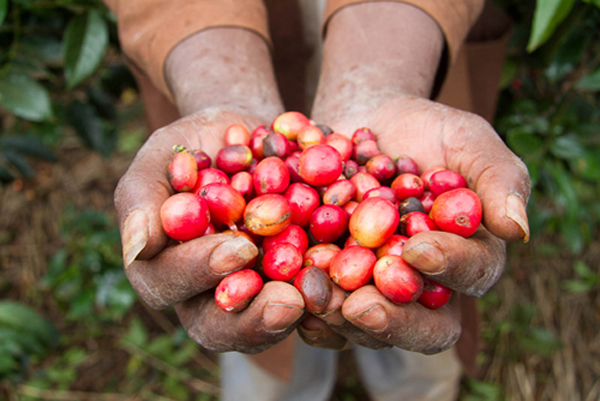
The most detailed introduction to coffee beans in the world. Coffee beginners must see the knowledge points
Coffee comes from coffee beans, which in turn are harvested and processed from the fruits of trees. Coffee trees grow at the equator as the center, between 25 degrees north and south latitude, known as the coffee belt tropical or subtropical countries home, coffee production countries currently have about more than 60 countries, coffee production in South America, Central America, West Indies, Asia, Africa, Arabia, South Pacific and
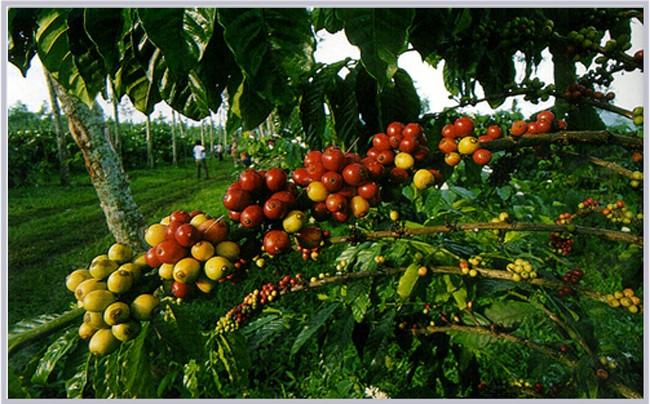
Coffee Estate Knowledge Points: Collection and classification of world boutique coffee estates in detail
Coffee comes from coffee beans, which are harvested and processed from the fruits of trees. Coffee trees grow at the equator as the center, between 25 degrees north and south latitude, known as the coffee belt in tropical or subtropical countries home, coffee beans are currently. Coffee comes from coffee beans, which in turn are harvested and processed from the fruits of trees. Coffee trees grow at the equator.